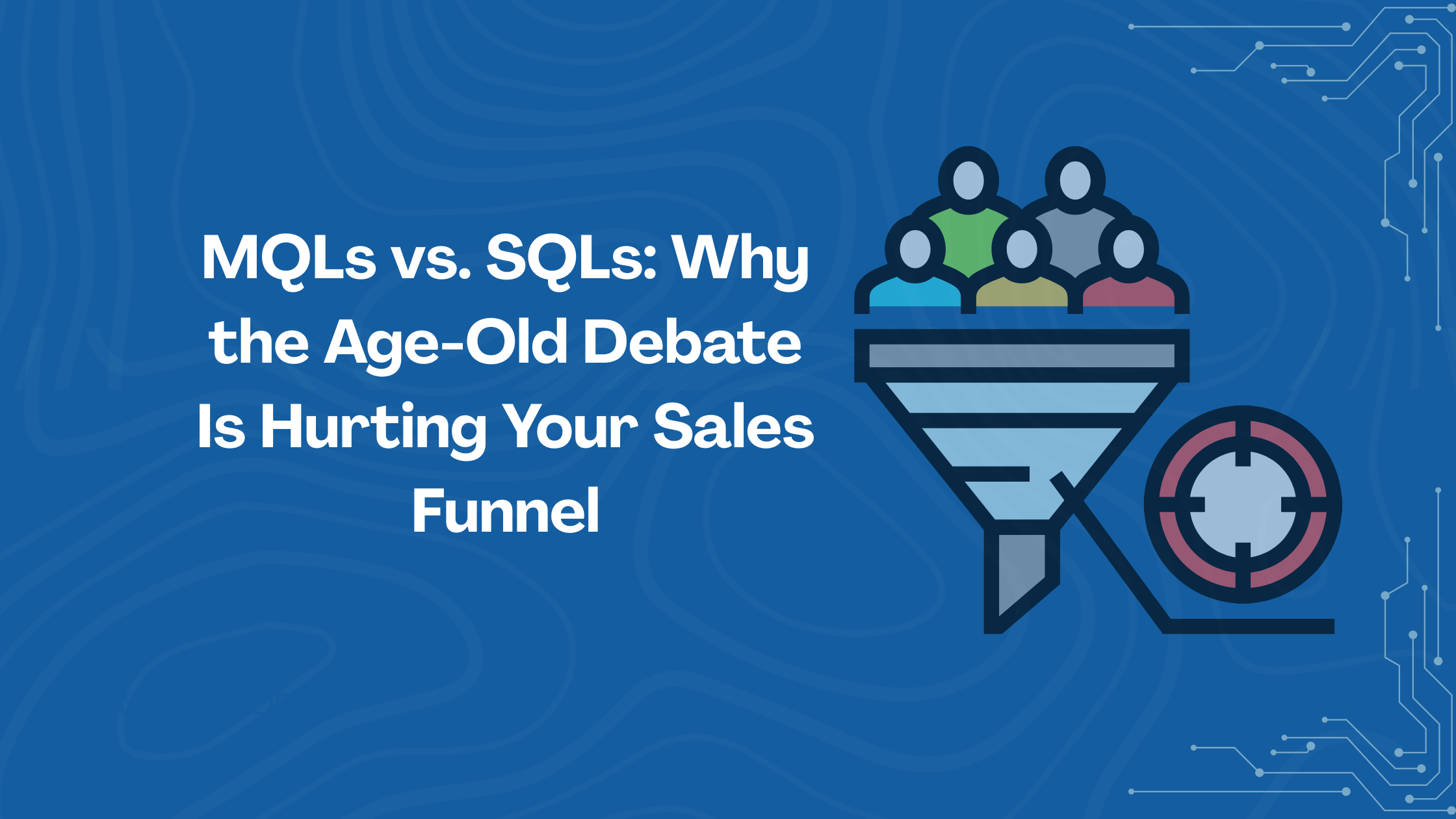
MQLs vs. SQLs: Why the Age-Old Debate Is Hurting Your Sales Funnel
Introduction: The Traditional MQL/SQL Handoff and Its Flaws
For years, marketing and sales teams have been stuck in an endless loop of finger-pointing over one question: When is a lead truly sales-ready? The answer, traditionally, has been defined by the MQL (Marketing Qualified Lead) vs. SQL (Sales Qualified Lead) handoff. Marketing gathers leads, nurtures them, and then tosses them over the fence to sales when they hit certain criteria, whether they’re actually ready to buy or not.
This rigid framework has been the backbone of B2B sales funnels for decades. But here’s the hard truth: the MQL/SQL divide is doing more harm than good. It creates friction, slows down deals, and worst of all, leaves potential revenue on the table. It’s time to rethink lead qualification from the ground up.
How Rigid Qualification Criteria Cause Friction
Imagine this: a lead downloads an eBook, opens a few emails, and attends a webinar. Marketing sees this activity, assigns a lead score, and deems them an MQL. They send it to sales, expecting magic to happen. But sales reaches out and finds out that the lead isn’t ready. Maybe they were just researching, or maybe they’re not the right decision-maker.
Meanwhile, another lead skips the eBook but requests a demo directly. However, because they haven’t met enough “engagement” criteria, marketing doesn’t pass them to sales. That’s a lost opportunity.
The problem? Rigid qualification criteria assume all buyers follow a linear path. In reality, today’s B2B buyers are all over the place. Some binge content before talking to sales. Others want a conversation first. If your system isn’t built to handle this fluidity, you’re wasting time and missing deals.
The Case for a More Dynamic, Behavior-Based Lead Scoring Model
Instead of categorizing leads based on arbitrary MQL/SQL definitions, it’s time to embrace a more dynamic approach: behavior-based lead scoring.
This means:
- Prioritizing engagement signals over static criteria – Did the lead visit high-intent pages (pricing, case studies, product comparisons)?Are they returning frequently?
- Looking at real buying triggers – Are they actively evaluating solutions? Have they engaged with a sales rep directly (even before marketing deems them “ready”)?
- Using AI-driven intent data – Instead of waiting for a lead to hit a certain score, AI can help surface accounts already in-market for your solution.
But even the best scoring models have limitations. Signals can be misleading, and no algorithm can fully capture a lead’s intent without direct human interaction.
Why Active Outreach Is the Missing Link
Here’s where a hybrid, high-touch approach can make all the difference. Engaging leads early, even before they’re “qualified” by traditional standards opens the door to real conversations. And that conversation can do what algorithms can’t, uncover true intent, clarify decision-making timelines, and present tailored information that accelerates the journey.
At InfoAnalytica, this is exactly where we differentiate. Instead of relying solely on lead scoring, our teams actively reach out, speak with prospects, and qualify them through personalized engagement. This approach helps us categorize leads more accurately, uncover hidden buying intent, and pass on truly sales-ready opportunities to our clients.
Though, this level of human-led outreach can be more expensive than automated scoring, the boost in accuracy, deal velocity, and conversion rates often far outweigh the added cost.
Redefining Success Metrics Beyond MQL/SQL Labels
If MQLs and SQLs are flawed, what should we measure instead? Success shouldn’t be about how many leads hit an arbitrary status, it should be about how effectively marketing and sales work together to drive revenue.
Here’s a better way to track performance:
- Pipeline Velocity: How quickly are leads moving from first engagement to closed deal?
- Revenue Contribution: Instead of counting MQLs, measure how many leads marketing sources turn into actual revenue.
- Sales-Ready Engagement: Track high-intent behaviors and the outcomes of early conversations to better qualify opportunities.
Conclusion: A Hybrid Model That Prioritizes Engagement Over Rigid Qualification Rules
The MQL vs. SQL debate has outlived its usefulness. Today’s buyers don’t fit into neat categories and forcing them into a rigid framework only slows down the sales funnel.
A hybrid, engagement-first model, where marketing and sales collaborate in real time, using behavioral insights, intent data, and most importantly, direct outreach, will always outperform the traditional handoff process.
It’s time to stop debating MQLs vs. SQLs and start focusing on what really drives revenue: timely, personalized engagement with the right leads at the right moment, powered by both smart data and smarter conversations.
ROI of Traditional Lead Generation Methods in the Age of AI
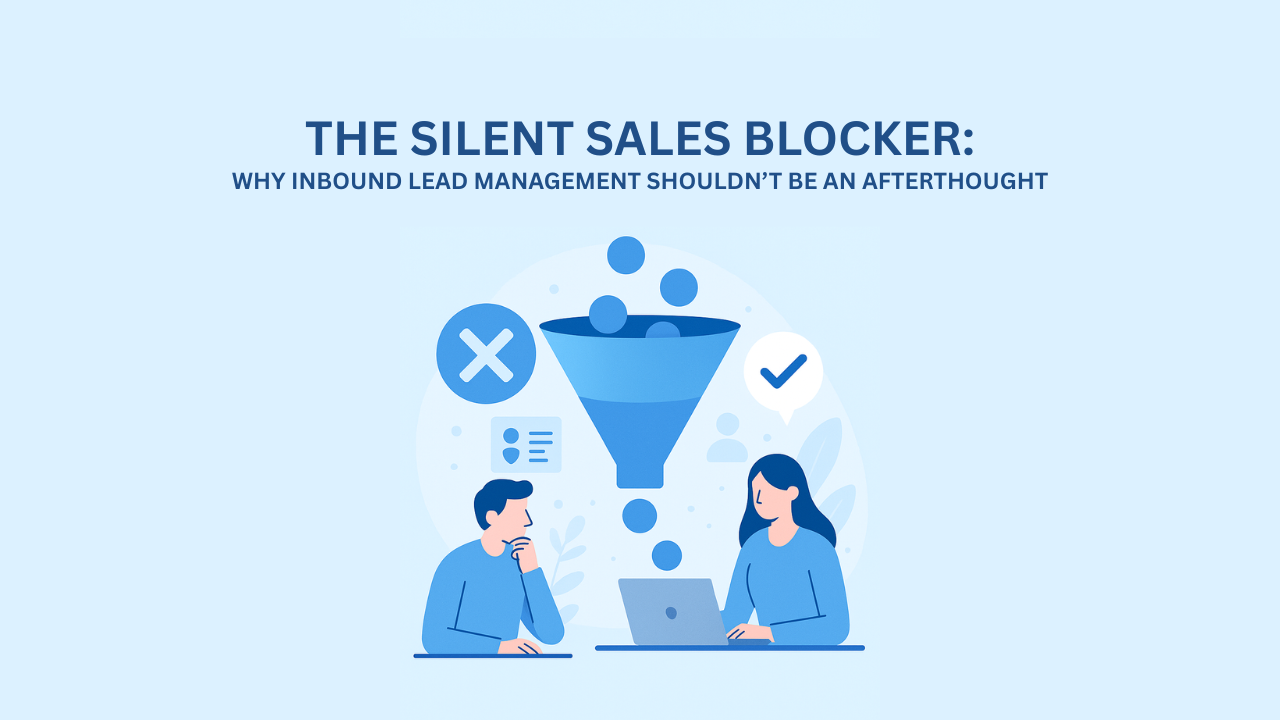
In today’s hyper-connected B2B environment, companies invest thousands, sometimes millions, into driving traffic, generating content, running campaigns, and getting potential buyers to raise their hands.
But what happens when those inbound leads actually do show up?
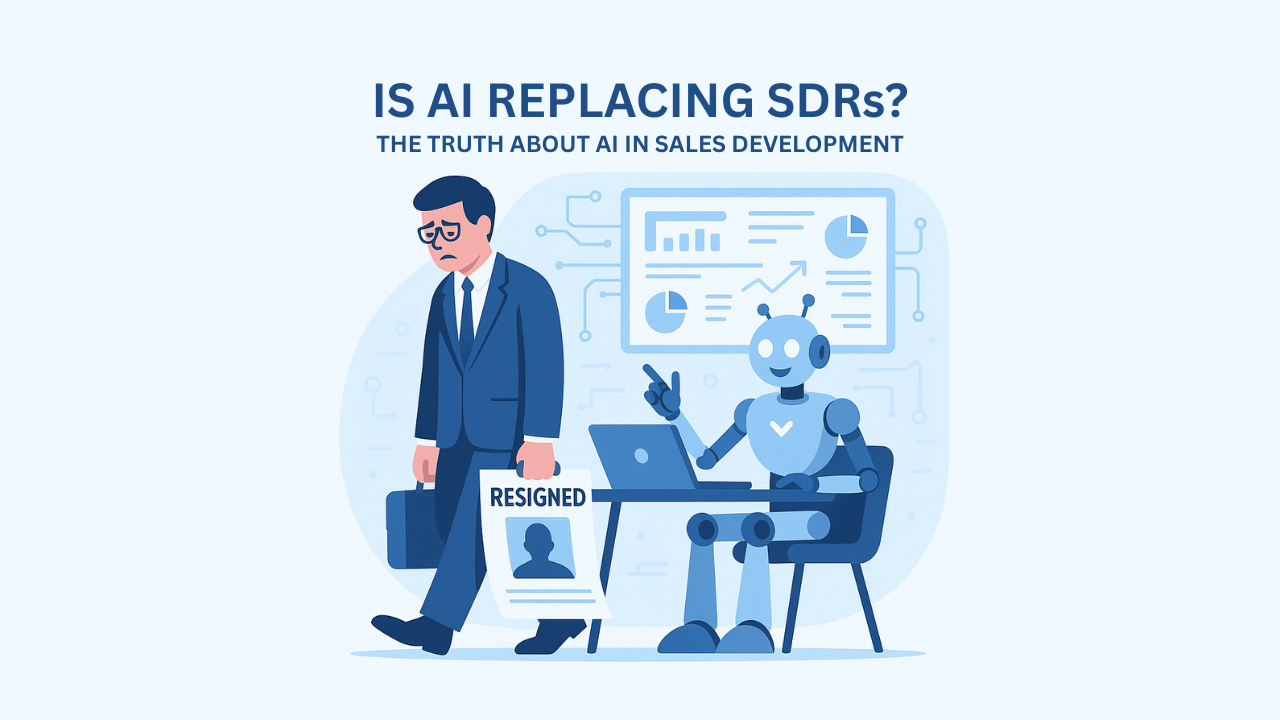
AI is rapidly changing the sales landscape, automating outreach, personalizing engagement, and handling routine tasks at scale. But does this mean the traditional Sales Development Representative (SDR) role is becoming obsolete?
Keep up with B2B Trends